

Falls in older adults are a safety issue in all healthcare settings, one measure of care quality, and the primary cause of unintended death among New Mexican adults aged 65 and older. Falls and fall-related interventions have been extensively investigated in acute and post-acute care settings.…
View Full Abstract →In 1985, Surgeon General C. Everett Koop stated: “Drugs don’t work in patients who don’t take them”. Best outcomes in healthcare rely on evidence-based treatments and adherence to those treatments. The evidence, however, tells us that levels of adherence are frequently less than ideal. Regardless…
View Full Abstract →Nursing excellence is the delivery of safe, evidence-based, person-centered care within a supportive practice environment. It promotes quality outcome while supporting growth and clinician welling. Nursing excellence is not just an individual skill ... it is sustained through a combination of…
View Full Abstract →
The session will cover Approach to managing 2 cases of fractures commonly seen in practice- wrist fracture and hip fracture. Also cover Common associated medical conditions and how to manage them such as atrial fibrillation, electrolyte disturbance, acute kidney injury, anaemia. What investigations…
View Full Abstract →The session will cover topics of how to differentiate Delirium and dementia, Screening tools for confusion, Diagnostic approach to a patient with confusion, How to investigate, How to manage, How not to manage patients. How to prevent delirium, cases examples and practical tips The audience take…
View Full Abstract →
This program will provide the audience with a description of what risk management is and why it is crucial to healthcare and patient safety. The presenter will address key components of an effective risk program and offer real world examples of how ineffective risk management can lead to patient…
View Full Abstract →
Background: Nursing practice demands increasingly complex clinical decision-making, yet optimal pedagogical strategies for developing this competency remain debated. Simulation-based training offers a promising approach by immersing students in realistic scenarios within a safe learning…
View Full Abstract →
This research study explores the need for palliative care by the patients who are recovering from stroke after an acute event. Stroke survivors need comprehensive care for their physical, psychosocial, spiritual well-being and additional support. The comprehensive total care in all aspect of…
View Full Abstract →
Background: Self-management is a key component of chronic care and it is important to identify the self management and support requirements of patients with hypertension. In the literature, factors such as the individual, family, environment and health system, cultural norms and communication are…
View Full Abstract →
Managing one’s time throughout nursing school and during the transition into a full-time nursing role can be difficult for new graduate nurses. The transition involves significant changes in title, responsibilities, and work environment. Building professional confidence and resilience is crucial…
View Full Abstract →
The transition from nursing education to professional practice represents a demanding period for newly graduated nurses, often marked by uncertainty, role confusion, and limited self-confidence in clinical decision-making. Insufficient preparedness during this early career stage may negatively…
View Full Abstract →
Nursing leadership is essential to the ethical and effective integration of artificial intelligence into healthcare. By guiding AI adoption with a focus on equity, safety, and compassion, nurses can shape the future of global healthcare delivery. Artificial intelligence (AI) is rapidly reshaping…
View Full Abstract →
For realizing pervasive and ubiquitous health and social care services, health and social care system have to undergo an organizational, methodological and technological transformation towards personalized, participative, preventive, predictive precision medicine. For designing and managing the…
View Full Abstract →
The concept of clinical judgment applied in hospital practice settings is of critical concern. For the use of CJ implies that data is observed, collected, and analyzed thereby leading to improved healthcare outcomes. This is something that we all strive for in our hospital practice settings and yet…
View Full Abstract →
Artificial Intelligence (AI) and Lifestyle Medicine (LM) are converging to reshape the landscape of nursing, offering both opportunities and challenges for practice, education, and patient care. AI-driven tools, from predictive analytics to virtual health assistants, are enabling nurses to deliver…
View Full Abstract →
Biology is no longer destiny. Our DNA doesn’t determine our health and disease prospects, as geneticists once believed. According to the new science of epigenetics, the vast majority of our genes are fluid and dynamic—and their expression is shaped by what we think and what we do. Our genetic…
View Full Abstract →
Everyone should be aware of their settings and contexts and act ethically when facing different provocations.External and internal stimuli are processed by individuals, leading to concerns about appropriate responses. A person's behavior reflects their regard for their environment and their ability…
View Full Abstract →
Physical activity, physical inactivity, and sedentary behavior, viewed contextually, constitute three interdependent constructs whose heterogeneity is reflected in the domain of the behavioral aspect of human movement, its characteristics, and energy consumption. Physical activity is characterized…
View Full Abstract →
This talk will describe five main areas that are currently AI driven Innovations in Nursing Informatics. The benefits, and potential barriers and future directions will also be identified. The session will end with case studies showing the impact of guidelines or standards on AI content in Nursing…
View Full Abstract →
Laurie and Suzy will introduce the audience to the topic of chest wall deformities. They will describe and differentiate between the two most common chest wall deformities which are pectus excavatum and pectus carinatum as well as review other chest wall deformities. They will discuss current…
View Full Abstract →
Cancer survivorship reflects a complex interaction of biological, psychological, social, and functional dimensions. Despite substantial improvements in cancer treatment, psychosocial burdenssuch as loneliness, stigma, anxiety, depression, frailty, and sensory impairmentscontinue to shape the lived…
View Full Abstract →
Positive psychology is a science that studies the positive qualities, virtues, and strengths of humans, focusing on the positive aspects of individuals and groups, emphasizing human, values, and well-being. What is happiness? Do you feel happy? Happiness in different scientific…
View Full Abstract →
In today’s evolving healthcare landscape, technological innovation is not a luxury, it is a necessity. This presentation explores practical, cost-effective innovations in nursing that can significantly improve patient outcomes in low-resource settings, particularly in parts of Africa and other…
View Full Abstract →
Background: Patient self-efficacy and consistent health-promoting behaviors are essential elements of the best possible diabetes care. The specific relationships between King's theory concepts and the self-efficacy and health behaviors of diabetic patients in northeastern Iran are not well…
View Full Abstract →
The WHO has defined community engagement as “a process of developing relationships that enable stakeholders to work together to address health related issues and promote well being to achieve positive health impact and outcomes” and it underlines the “Community and civil society engagement” as a…
View Full Abstract →
Background: Respectful maternity care is a critical component of high-quality maternity services, ensuring dignity, equity, and woman-centered care. However, evidence highlights persistent gaps in its implementation due to fragmented health systems and systemic disparities. Grounded in a…
View Full Abstract →
The Anti Müllerian Hormone (AMH) test is emerging as a valuable diagnostic tool for assessing ovarian reserve and supporting informed reproductive decision-making among women. In recent years, there has been a noticeable increase in awareness and proactive fertility health management among young…
View Full Abstract →
Context: Female perineum is a significant part of females because perineal tears and episiotomy habitually happen in childbirth with first-time deliveries. Aim: This study aimed to explore the role of perineal length (PL) estimation in the prediction of maternal and fetal outcomes. Methods: A…
View Full Abstract →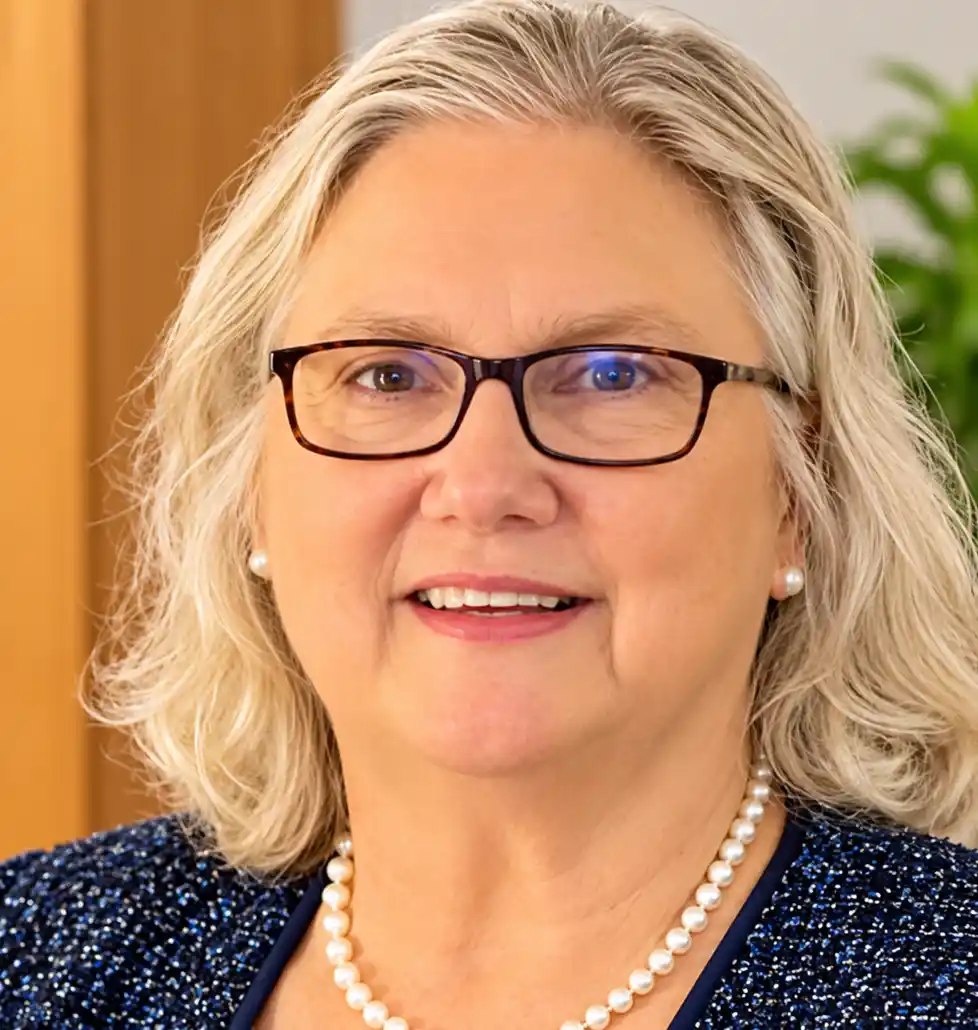
Artificial Intelligence (AI) is reshaping healthcare education by offering personalized learning experiences, simulating reallife scenarios, and providing instant feedback, all of which contribute to improved patient outcomes. Despite these benefits, fears and resistance persist, symbolized by the…
View Full Abstract →
Objectives: Breast cancer is a leading cause of morbidity and mortality in women worldwide. Breast screening in normal and/or asymptomatic women is essential to reduce the burden of breast malignancies. My study aimed to identify possible risk- and/or co-factors associated with breast screening in…
View Full Abstract →
The nursing profession is widely recognized as emotionally demanding, high-pressure, and vulnerable to chronic stress, burnout, and psychological distress. While existing research and interventions have largely focused on reducing negative outcomes such as stress, anxiety, and compassion fatigue,…
View Full Abstract →
Nurses provide care to patients in all contexts and at all stages of their lives including palliative care at home. Their contributions are crucial in meeting global goals of Universal Health Coverage (UHC) and the Sustainable Developmental Goals (SDG). This presentation determines reasons for…
View Full Abstract →
Background and Rationale: Osteoporosis is an under-diagnosed but increasingly burdensome condition among postmenopausal women globally, particularly in under-served and rural populations. In Nigeria, where healthcare infrastructure in rural areas remains limited, the risks associated with…
View Full Abstract →
Introduction: Psychoactive drug use is a growing public health and social problem among university students worldwide. Objective: To construct the dimensions of the criterion variable by grouping the drugs under study according to their frequency of use, and to evaluate, through predictive models,…
View Full Abstract →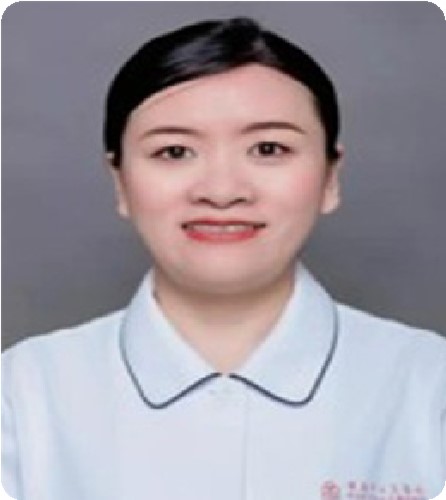
Tumor patients are at a higher risk of falls compared to other patients due to the disease itself and treatment side effects. This study aimed to explore the application effect of the Teach-back health education model combined with the PDSA (Plan-Do-Study-Act) cycle in reducing the incidence of…
View Full Abstract →
The world today is in the midst of many changes and there are many threats facing the world such as climate change, wars, conflicts and disasters. Among these man-made disasters are nuclear disasters that may occur due to negligence, as happened in Chernobyl, or wars, as happened in Japan.The…
View Full Abstract →
Healthy aging draw attention around the world. Preventing frailty is an important issue for extending a healthy life expectancy. The oral frailty is one of key points for it in community dwelling elder people. The purpose of this study was to clarify the relationship between symptoms of oral…
View Full Abstract →The health personnel, a fundamental pillar of the Italian care system, is going through a season of crisis with considerable concern on the part of all stakeholders, institutional and non-institutional. The presentation highlights the main findings of the first civic survey on health personnel in…
View Full Abstract →